


Gypsum Ceiling Tile Dealer In Ghaziabad
2026-04-27T05:30:37  read more
 read more


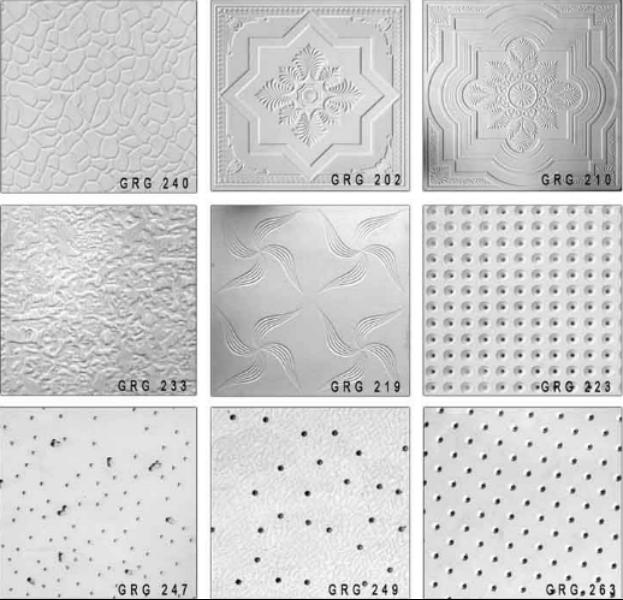
Gypsum Tiles in Ghaziabad. Gypsum tiles, also known as gypsum ceiling tiles or acoustic ceiling tiles, are a type of building material commonly used for interior ceiling applications. Here is some related information about gypsum tiles: Composition: Gypsum tiles are made primarily from gypsum (calcium sulfate dihydrate) and other additives. The gypsum is processed into a board-like material and then covered with a paper facing or vinyl coating. The composition provides the tiles with fire-resistant and sound-absorbing properties. Installation: Gypsum tiles are typically installed on a suspended grid system, commonly known as a T-grid or drop ceiling system. The tiles are placed into the grid, creating a flat and even ceiling surface. The grid system allows for easy installation, access to utilities above the ceiling, and maintenance. Aesthetic Options: Gypsum tiles come in a variety of sizes, shapes, textures, and patterns, offering a range of design options for different architectural styles and preferences. Common tile sizes include 2'x2' (60 cm x 60 cm) and 2'x4' (60 cm x 120 cm), although custom sizes are also available. Acoustic Performance: One of the main advantages of gypsum tiles is their sound-absorbing properties. The porous structure of the gypsum material helps to reduce noise and improve acoustic performance in indoor spaces. This makes them suitable for environments that require sound control, such as offices, classrooms, theaters, and commercial buildings. Fire Resistance: Gypsum tiles are inherently fire-resistant due to the properties of gypsum itself. Gypsum is a non-combustible material, meaning it does not contribute to the spread of fire. This makes gypsum tiles a popular choice for enhancing fire safety in buildings. Thermal Insulation: Gypsum tiles offer some degree of thermal insulation. The gypsum material has low thermal conductivity, which helps to reduce heat transfer through the ceiling. This can contribute to energy efficiency and provide a more comfortable indoor environment. Durability and Maintenance: Gypsum tiles are durable and relatively easy to maintain. They are resistant to cracking, warping, and moisture damage. Regular cleaning and occasional inspections are usually sufficient to keep them in good condition. In the case of damage or wear, individual tiles can be replaced without major disruption to the ceiling system. Sustainability: Gypsum tiles are considered to be environmentally friendly building materials. Gypsum is a naturally occurring mineral and can be recycled. Additionally, some manufacturers offer gypsum tiles with recycled content, reducing the demand for virgin materials. Applications: Gypsum tiles are commonly used in various indoor spaces, including offices, commercial buildings, educational institutions, healthcare facilities, retail spaces, hotels, and residential properties. They provide both functional and aesthetic benefits, enhancing the appearance and performance of ceilings. Installation and Safety Considerations: When installing gypsum tiles, it is essential to follow proper installation techniques and adhere to safety guidelines. This includes ensuring proper support for the ceiling grid, using appropriate tools and equipment, and following manufacturer instructions and local building codes. #gypsumtiles #pvctiles #mittalhardware
 read more
  read more
 We hate spam too.


